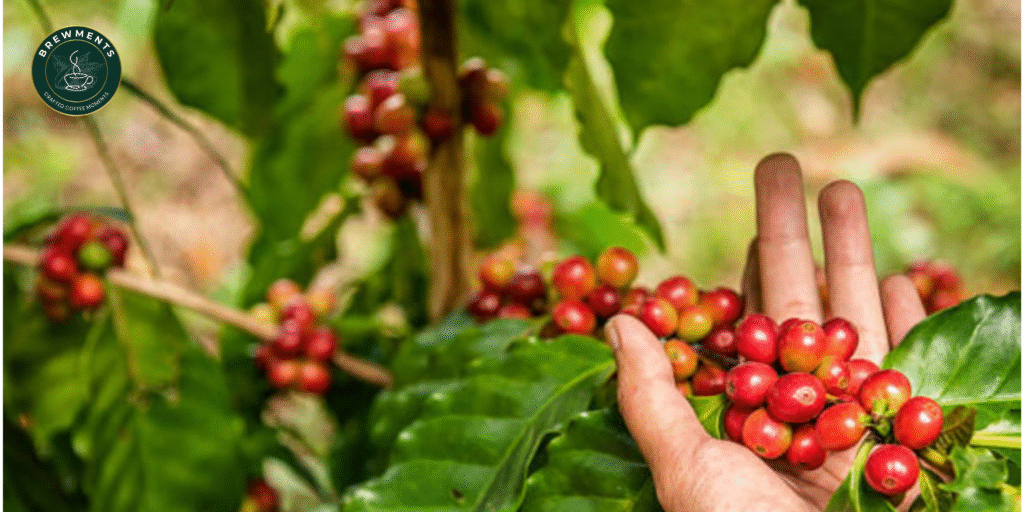
India grows some of the world’s most remarkable coffee. Yet for years, most of us were stuck sipping whatever landed on the supermarket shelf pre-ground, over-packaged, and roasted months before it ever reached our hands. That story is finally changing.
The Indian coffee culture has quietly matured. Home brewers now own pour-over sets and moka pots. Offices have filter coffee machines. People are asking better questions not just “which brand?” but “which origin?”, “which roast date?”, “Arabica or Robusta?”. And that shift in thinking has opened up a much more interesting question: where do you actually buy fresh premium coffee beans online in India, without compromising on quality?
This guide walks you through everything from understanding bean varieties to knowing what to look for before you place an order, and where brands like Brewments fit into the picture.
Why “Fresh” Matters More Than You Think
Coffee is a perishable product. Most people don’t treat it that way, but professional baristas and roasters will tell you that the window between a perfect roast and a dull, flat cup is smaller than you’d expect. After roasting, beans release carbon dioxide and slowly begin to oxidize. Within two to four weeks of the roast date, the flavour starts to lose its edge.
Supermarket coffee even expensive-looking tins can sit in warehouses and on shelves for months. The roast date is often buried in tiny print, or not mentioned at all. When you finally grind it and brew, you’re working with something that’s already past its prime. The result is coffee that smells better than it tastes.
“Freshly roasted coffee beans aren’t a luxury detail. They are the single biggest factor that separates a flat, forgettable cup from one that genuinely stops you mid-sip.”
Buying freshly roasted coffee beans online from a roaster that ships within days of roasting changes the experience completely. You get coffee at peak flavour: aromatic, layered, and alive in a way that shelf-stable products simply cannot replicate.
Arabica vs Robusta: Know What You’re Brewing
Before buying anything, it helps to understand the two main species of coffee available in India and why they taste so different.
Arabica Coffee Beans
Arabica coffee beans are widely considered the more refined of the two. Grown at higher altitudes particularly in the Bababudangiri Hills of Karnataka and the Nilgiris of Tamil Nadu Arabica plants are slower to mature and more sensitive to climate. That extra time and care translates directly into the cup: a smooth, slightly acidic profile with floral and fruity undertones, lower bitterness, and a lighter body.
If you prefer pour-over, Chemex, or a gentle drip coffee, Arabica is likely your bean. It rewards slower extraction methods that allow its delicate flavour notes to come through. Brewments’ Spesh Arabica Coffee is a fine example balanced and nuanced, suited for those who want complexity without the bite.
Robusta Coffee Beans
Robusta coffee beans are a different beast entirely. Higher in caffeine, lower in acidity, and far bolder in flavour, Robusta is the backbone of traditional Indian espresso blends and the classic South Indian filter coffee decoction. The bean itself is more resilient hence the name and thrives in lower altitudes across Kerala and parts of Karnataka.
Robusta doesn’t get enough credit in specialty coffee conversations. When sourced well and roasted carefully, it delivers a full body, earthy depth, and a crema in espresso that Arabica alone struggles to match. Brewments’ Spesh Robusta Coffee carries notes of honey and stone fruit proof that bold doesn’t have to mean harsh.
The Irreplaceable World of South Indian Filter Coffee
No guide to best Indian coffee beans would be complete without talking about filter coffee or kaapi, as it’s known in Tamil households. This is not just a beverage. It’s a ritual, a morning anchor, and for many families across South India, a cultural inheritance passed down through generations.
South Indian filter coffee is brewed using a traditional metal filter device. A coarser grind of dark-roasted coffee typically a Robusta-dominant blend, sometimes mixed with chicory for added body and bitterness is placed in the upper chamber. Hot water slowly drips through to produce a strong, concentrated decoction. This is then mixed with frothy, hot milk in a specific ratio, often poured between two vessels to create that signature froth.
Getting filter coffee right at home depends enormously on the beans. The grind size, roast level, and the Robusta-to-chicory ratio all matter. At Brewments, the South Indian filter coffee offering honours this tradition brewed slow, strong, and with the kind of authenticity that takes you back to a grandmother’s kitchen or a packed Udipi restaurant at 7 AM.
What Makes a Great Filter Coffee Blend
- Dark roast Robusta as the base — for depth and body
- A touch of Arabica — for aromatic lift and balance
- Chicory (optional) — traditional addition that adds bitterness and volume to the decoction
- Coarse-medium grind — too fine clogs the filter; too coarse makes it watery
- Fresh roast date — stale beans make flat decoction, no matter how good the technique
What to Look For When Buying Coffee Beans Online
The online coffee market in India has expanded rapidly, and not all options are equally trustworthy. Here’s what separates genuine premium coffee beans from pretty packaging with mediocre content inside.
1. Roast Date, Not “Best Before”
A “best before” date tells you nothing useful about freshness. Always look for the roast date specifically. Ideally, you want beans roasted within the last two to three weeks. Anything beyond six weeks starts to lose character, and beyond three months, you’re essentially drinking history.
2. Single Origin vs. Blends
Single-origin beans come from one specific farm or region and give you a clear flavour identity terroir you can taste. Blends are crafted for consistency and balance, combining beans from different sources. Neither is objectively better; it depends on what you’re brewing and what you enjoy. Both deserve a spot in your rotation.
3. Transparency About the Source
The best quality coffee in India comes from roasters who can tell you where their beans are from. Coorg, Chikmagalur, the Araku Valley, the Nilgiris each region has a distinct character. A brand that talks openly about its sourcing is one that has nothing to hide.
4. Roast Level Matched to Your Brew Method
Light roasts retain the most origin character and suit methods like pour-over. Medium roasts are versatile good for drip, moka pot, and even espresso. Dark roasts suit espresso machines and South Indian filter presses, where the bold, caramelised flavours shine. Ordering the wrong roast for your method is one of the most common mistakes home brewers make.
5. Packaging That Respects the Beans
Proper coffee packaging has a one-way degassing valve that lets CO₂ escape without letting oxygen in. Resealable bags that protect from light and moisture are a good sign. Anything in a flimsy bag or a jar without a valve should raise a question about how seriously the roaster takes freshness.
The Case for Indian Coffee Over Imported Alternatives
Indian coffee has historically been underrated on the global stage, largely because most of what’s grown here has been exported rather than consumed domestically with any discernment. That’s changing. Specialty Indian coffee is now attracting attention from international buyers and winning awards at competitions that previously felt like the exclusive domain of Ethiopian and Colombian beans.
Buying the best Indian coffee beans means supporting a farming ecosystem that has developed over centuries. It means fresher beans no weeks-long shipping container from South America. It means regional character that you simply can’t find in an imported bag: the monsoon-washed Robusta of Coorg, the pepper-and-fruit notes of Araku Valley Arabica, the dense, syrupy body of Chikmagalur’s high-altitude harvests.
India is a coffee-growing country. The best cup of coffee you’ll drink this year might well have been grown just a few states away.
How to Store Your Beans After Buying
Buying freshly roasted coffee beans is only half the equation. How you store them determines how long that freshness lasts. The four enemies of coffee are oxygen, moisture, light, and heat. Keep beans in an airtight, opaque container at room temperature away from the stovetop, the windowsill, or the fridge (contrary to popular belief, refrigeration introduces moisture and odour absorption). Grind only what you need, immediately before brewing. Your beans will thank you with a noticeably better cup.
“A good bag of beans, stored properly and ground fresh, can transform a simple morning routine into something worth waking up for.”
Where to Start
If you’re new to buying coffee beans online, the simplest starting point is to pick one variety Arabica if you prefer lighter, nuanced cups; Robusta if you want something bold and full and brew it in the method you already own. Don’t overcomplicate it. Let the quality of the bean do the work.
For those who love tradition, starting with a South Indian filter coffee blend gives you immediate comfort and a direct comparison with what you’ve been drinking for years. Most people find it genuinely surprising how different fresh beans taste from what they grew up with in the best possible way.
Brewments offers both whole beans and pre-ground options, so wherever you are in your coffee journey, there’s an entry point that works. And because the roasting happens on a small-batch basis, turnaround between roast and delivery is quick exactly as it should be for freshly roasted coffee beans.