
WHERE TO BUY FRESH PREMIUM COFFEE BEANS ONLINE
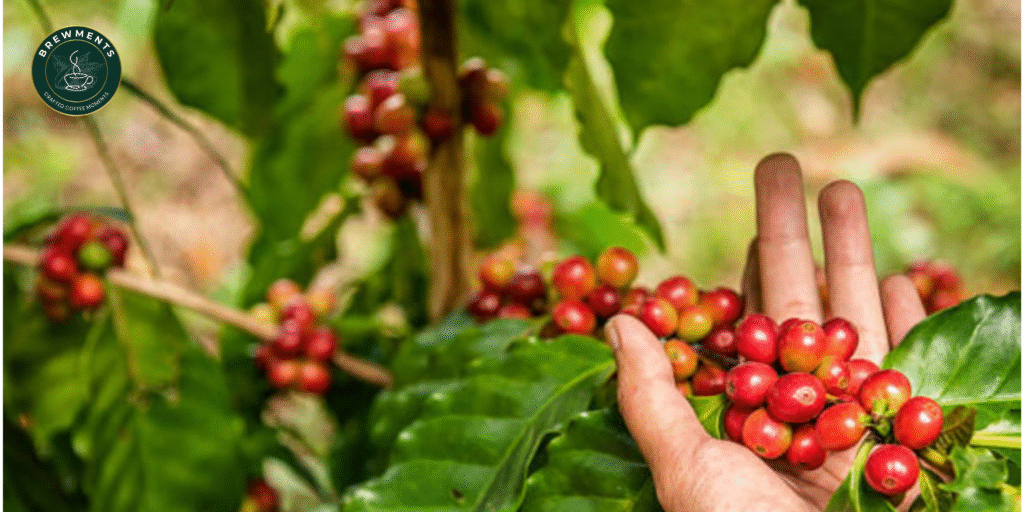
India grows some of the world’s most remarkable coffee. Yet for years, most of us were stuck sipping whatever landed on the supermarket shelf pre-ground, over-packaged, and roasted months before it ever reached our hands. That story is finally changing. The Indian coffee culture has quietly matured. Home brewers now own pour-over sets and moka pots. Offices have filter coffee machines. People are asking better questions not just “which brand?” but “which origin?”, “which roast date?”, “Arabica or Robusta?”. And that shift in thinking has opened up a much more interesting question: where do you actually buy fresh premium coffee beans online in India, without compromising on quality? This guide walks you through everything from understanding bean varieties to knowing what to look for before you place an order, and where brands like Brewments fit into the picture. Why “Fresh” Matters More Than You Think Coffee is a perishable product. Most people don’t treat it that way, but professional baristas and roasters will tell you that the window between a perfect roast and a dull, flat cup is smaller than you’d expect. After roasting, beans release carbon dioxide and slowly begin to oxidize. Within two to four weeks of the roast date, the flavour starts to lose its edge. Supermarket coffee even expensive-looking tins can sit in warehouses and on shelves for months. The roast date is often buried in tiny print, or not mentioned at all. When you finally grind it and brew, you’re working with something that’s already past its prime. The result is coffee that smells better than it tastes. “Freshly roasted coffee beans aren’t a luxury detail. They are the single biggest factor that separates a flat, forgettable cup from one that genuinely stops you mid-sip.” Buying freshly roasted coffee beans online from a roaster that ships within days of roasting changes the experience completely. You get coffee at peak flavour: aromatic, layered, and alive in a way that shelf-stable products simply cannot replicate. Arabica vs Robusta: Know What You’re Brewing Before buying anything, it helps to understand the two main species of coffee available in India and why they taste so different. Arabica Coffee Beans Arabica coffee beans are widely considered the more refined of the two. Grown at higher altitudes particularly in the Bababudangiri Hills of Karnataka and the Nilgiris of Tamil Nadu Arabica plants are slower to mature and more sensitive to climate. That extra time and care translates directly into the cup: a smooth, slightly acidic profile with floral and fruity undertones, lower bitterness, and a lighter body. If you prefer pour-over, Chemex, or a gentle drip coffee, Arabica is likely your bean. It rewards slower extraction methods that allow its delicate flavour notes to come through. Brewments’ Spesh Arabica Coffee is a fine example balanced and nuanced, suited for those who want complexity without the bite. Robusta Coffee Beans Robusta coffee beans are a different beast entirely. Higher in caffeine, lower in acidity, and far bolder in flavour, Robusta is the backbone of traditional Indian espresso blends and the classic South Indian filter coffee decoction. The bean itself is more resilient hence the name and thrives in lower altitudes across Kerala and parts of Karnataka. Robusta doesn’t get enough credit in specialty coffee conversations. When sourced well and roasted carefully, it delivers a full body, earthy depth, and a crema in espresso that Arabica alone struggles to match. Brewments’ Spesh Robusta Coffee carries notes of honey and stone fruit proof that bold doesn’t have to mean harsh. The Irreplaceable World of South Indian Filter Coffee No guide to best Indian coffee beans would be complete without talking about filter coffee or kaapi, as it’s known in Tamil households. This is not just a beverage. It’s a ritual, a morning anchor, and for many families across South India, a cultural inheritance passed down through generations. South Indian filter coffee is brewed using a traditional metal filter device. A coarser grind of dark-roasted coffee typically a Robusta-dominant blend, sometimes mixed with chicory for added body and bitterness is placed in the upper chamber. Hot water slowly drips through to produce a strong, concentrated decoction. This is then mixed with frothy, hot milk in a specific ratio, often poured between two vessels to create that signature froth. Getting filter coffee right at home depends enormously on the beans. The grind size, roast level, and the Robusta-to-chicory ratio all matter. At Brewments, the South Indian filter coffee offering honours this tradition brewed slow, strong, and with the kind of authenticity that takes you back to a grandmother’s kitchen or a packed Udipi restaurant at 7 AM. What Makes a Great Filter Coffee Blend What to Look For When Buying Coffee Beans Online The online coffee market in India has expanded rapidly, and not all options are equally trustworthy. Here’s what separates genuine premium coffee beans from pretty packaging with mediocre content inside. 1. Roast Date, Not “Best Before” A “best before” date tells you nothing useful about freshness. Always look for the roast date specifically. Ideally, you want beans roasted within the last two to three weeks. Anything beyond six weeks starts to lose character, and beyond three months, you’re essentially drinking history. 2. Single Origin vs. Blends Single-origin beans come from one specific farm or region and give you a clear flavour identity terroir you can taste. Blends are crafted for consistency and balance, combining beans from different sources. Neither is objectively better; it depends on what you’re brewing and what you enjoy. Both deserve a spot in your rotation. 3. Transparency About the Source The best quality coffee in India comes from roasters who can tell you where their beans are from. Coorg, Chikmagalur, the Araku Valley, the Nilgiris each region has a distinct character. A brand that talks openly about its sourcing is one that has nothing to hide. 4. Roast Level Matched to Your Brew Method Light roasts retain the most origin character and suit methods like pour-over. Medium roasts are versatile good for drip, moka pot, and even espresso. Dark roasts suit espresso machines and South Indian filter
Where to Find the Best Quality Coffee in India
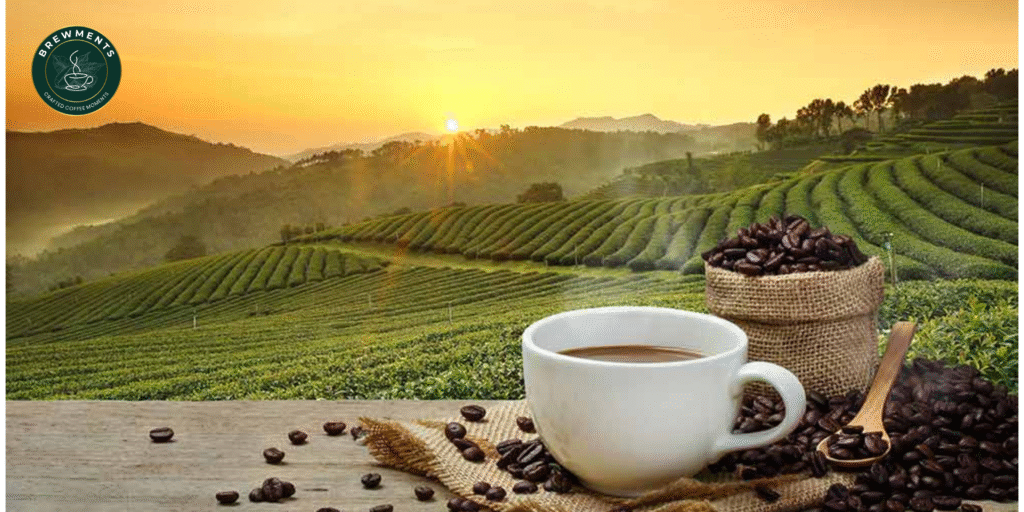
“There’s something about that first sip of a perfectly brewed cup that makes everything else feel secondary. In India, that feeling has been quietly building into something extraordinary.” India has always had coffee. Generations of South Indian families have started their mornings with the comforting ritual of South Indian filter coffee, that slow, patient decoction poured from brass vessels with practiced wrists. But something has shifted in the last few years. Across the country, people are asking more carefully considered questions where did these beans come from, how were they roasted, what exactly am I tasting in this cup? If you’re among those asking, you’ve come to the right place. This guide walks through what makes Indian coffee so special, the difference between the two great bean families, the regions that grow them, and most importantly where you can actually find the best quality coffee in India without spending hours down a rabbit hole of disappointing options. India’s Coffee Story, Briefly Told Most people don’t know that India is among the world’s oldest coffee-producing nations. Legend traces it back to the 1600s, when a Sufi saint named Baba Budan reportedly smuggled seven coffee beans from Yemen, planting them in the hills of what is now Karnataka. Whether entirely true or not, those hills Chikmagalur, Coorg, and the Bababudan Giri range still produce some of the finest coffee on the planet today. What makes Indian-grown coffee genuinely different from its counterparts in Ethiopia, Colombia, or Brazil is the growing environment. Indian coffee is almost entirely shade-grown, under a forest canopy that slows the maturation of the coffee cherry, deepening its sugars and creating flavour complexity that is hard to replicate in sun-intensive farms. Add to that the spice-rich soil of the Western Ghats, and you begin to understand why best Indian coffee beans carry an earthy depth and natural sweetness that is unlike anything else. “Indian coffee is shade-grown by tradition not just sustainability, but flavour. The slow cherry, the forest soil, the mountain mist. The cup you drink carries all of that history in it.” The Regions That Matter When people talk about premium coffee beans from India, they are almost always talking about a handful of growing regions in the southern peninsula. Each has its own character, shaped by altitude, rainfall, soil type, and the traditions of the farming communities that have worked those hills for centuries. Coorg is arguably India’s most celebrated coffee region a lush, mist-wrapped landscape where estates have been growing coffee alongside pepper and cardamom for well over a century. The Arabica from Coorg tends to be beautifully balanced, with a soft acidity and notes that often recall dark chocolate and ripe fruit. Chikmagalur sits at the heart of the Bababudan Hills and holds a mythological significance in Indian coffee history. The farms here are smaller and more diverse, producing both Arabica and Robusta with considerable character. If you’ve ever tasted an Indian coffee that surprised you with its depth and complexity, there’s a good chance it came from these hills. Wayanad in Kerala produces some of India’s finest Robusta cultivated on smaller tribal and farmer-owned estates, often without the scale of the larger plantations. Wayanad Robusta has an earthy strength that is more refined than its reputation suggests. Araku Valley in Andhra Pradesh is perhaps the most exciting emerging story in Indian coffee. This tribal-farming region has attracted significant attention from specialty roasters globally, thanks to organic cultivation practices, a distinctive terroir, and a flavour profile often described as floral, slightly fruited, and unusually clean that stands apart from anything else grown in India. The Ritual of South Indian Filter Coffee No conversation about Indian coffee is complete without South Indian filter coffee. If you grew up in a Tamil, Kannadiga, Telugu, or Malayali household, you already know this feeling in your bones that early-morning sound of the decoction dripping through the brass filter, the way the kitchen fills with an aroma that somehow smells like home regardless of where you actually are. South Indian filter coffee is made in a two-chamber brass or stainless steel filter. Finely ground coffee traditionally a blend of coffee and chicory is packed into the upper chamber. Hot water is poured over it and the decoction drips slowly into the lower chamber over twenty to thirty minutes. The resulting liquid is intensely strong, almost syrupy, and deeply aromatic. It is then mixed with boiling milk and sugar and served in a traditional tumbler and davara a wide-bottomed cup with a saucer into which the coffee is poured back and forth to cool it and build a light froth. What makes filter coffee so beloved isn’t just the taste. It is the patience built into the process, the specific ratio of coffee to chicory that each family guards with surprising conviction, and the unspoken understanding that a good cup of filter coffee is never rushed. At Brewments, the South Indian filter coffee on the menu is brewed classically slow, strong, and with the same authentic character that the tradition demands. At just ₹50, it may be the most genuinely priced cup of culture in the entire Tricity. What Makes Coffee “Premium”? A Straightforward Answer The word “premium” gets used loosely in the coffee world, and that’s worth addressing honestly. In supermarket language, it often means very little a fancier label on the same commodity product. In the specialty coffee world, premium has a more specific meaning. Truly premium coffee beans begin with traceability. You should be able to know where those beans were grown — ideally down to a specific region, estate, or cooperative. Beyond that, premium coffee is graded at origin, meaning the beans have been evaluated for defects, moisture content, and cup quality by trained tasters before they ever leave the farm. Then comes processing. The way a coffee cherry is handled after picking whether it’s washed, naturally sun-dried, or honey-processed directly affects the flavour of the resulting bean. Each method leaves a distinct imprint. Natural
Why Premium Coffee Beans Beat Cheap Ones Every Time
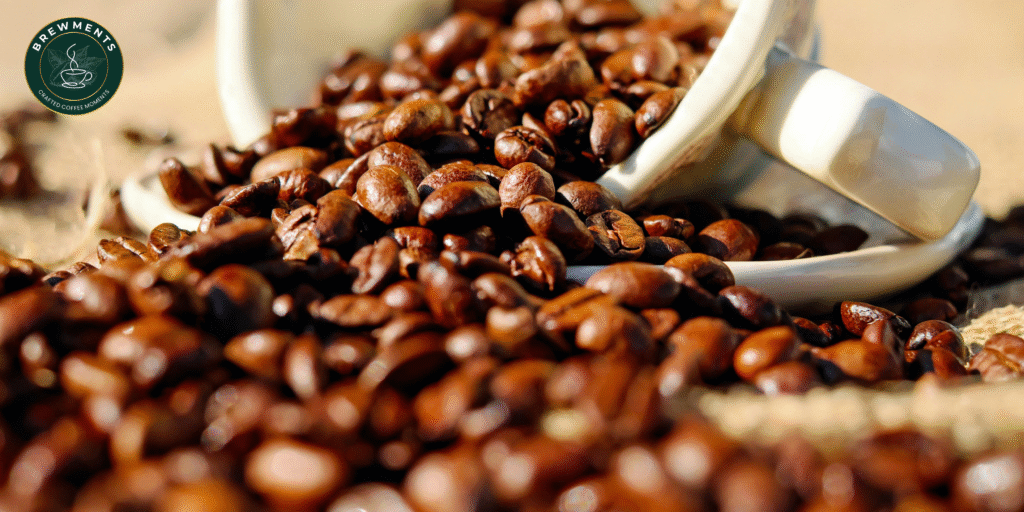
There’s a moment every coffee lover knows. You’re at a friend’s place, they hand you a cup, and after the first sip something feels off. It’s bitter in the wrong way. Flat. Almost dusty. You smile politely and say nothing, but your taste buds are quietly filing a complaint. That moment is the difference between premium coffee beans and the bargain bag sitting on a supermarket shelf. This isn’t coffee snobbery. It’s just reality and once you understand why quality beans taste better, you’ll never look at that discount tin the same way again. It Starts With the Bean Itself Not all coffee is created equal. In fact, there are two completely different species of coffee plant dominating the global market, and they produce wildly different results in your cup. Arabica coffee beans are the gold standard. They grow at higher altitudes typically above 1,000 metres in cool, misty climates. That slow growth is actually what makes them special. The sugars develop gradually, the acidity becomes complex and pleasant, and the final flavour carries notes of fruit, chocolate, caramel, or florals depending on the region. Arabica plants are delicate, finicky, and expensive to cultivate. But the payoff is a cup that has character. Robusta coffee beans are the workhorse of the coffee world. They grow faster, lower, and survive in harsher conditions. They contain nearly twice the caffeine of arabica, which makes them naturally bitter and more resistant to disease. Cheaper blends the ones in those budget tins are often heavy on robusta. That sharp, harsh bitterness you taste? That’s robusta doing its thing. To be fair, robusta isn’t inherently bad. High-quality robusta, used strategically, can add body and crema to an espresso blend. The problem is low-quality robusta in large quantities which is what most cheap coffee contains. What “Cheap” Coffee Really Costs You When you buy a low-priced bag, you’re usually getting a few things you didn’t ask for: Old beans. Premium coffee has a roast date on the bag. Cheap coffee often doesn’t, because if it did, you’d see how long it’s been sitting in a warehouse. Coffee is best within 2–4 weeks of roasting. After that, the oils dry out, the aromatics escape, and what’s left tastes stale and flat. Mystery blends. Budget brands combine whatever’s cheapest at the time low-grade arabica, filler robusta, sometimes defective beans that were rejected by quality processors. There’s no transparency about origin, processing method, or variety. Uneven roasting. Proper roasting is a craft. Cheap mass-produced coffee is often over-roasted to hide the poor quality of the beans underneath. That extreme dark roast masks defects behind a wall of char and bitterness. Less nutrition. Coffee at its best is rich in antioxidants, polyphenols, and beneficial compounds. Degraded, poorly stored beans lose much of this. You’re drinking something that looks like coffee but delivers far less of what makes coffee actually good for you. The Indian Coffee Story Nobody Tells You India doesn’t get nearly enough credit in the global coffee conversation. Most people associate Indian beverages with chai, but the country has a deep, centuries-old coffee culture especially in the south. The story begins in the hills of Karnataka, Kerala, and Tamil Nadu, where some of the most distinctive coffee in the world is grown in the shade of forests, alongside cardamom, pepper, and other spices. This intercropping method gives Indian beans a subtle earthiness and spice undertone that you simply don’t find in coffee from any other region. When searching for the best Indian coffee beans, the names to know are Coorg (Kodagu), Chikmagalur, and the Nilgiris. Coorg produces a smooth, well-balanced arabica that works beautifully as a single origin. Chikmagalur often credited as the birthplace of Indian coffee yields beans with a slightly wine-like complexity. The Nilgiris tend toward bright, clean cups with a delicate acidity. These aren’t just good by Indian standards. They’re genuinely world-class, and specialty roasters in Europe and Japan have known this for years. The beans are increasingly winning recognition at international cupping competitions, which is something domestic coffee drinkers are only just beginning to wake up to. South Indian Filter Coffee: A Tradition Built on Quality Beans If you’ve ever sat in a traditional South Indian home or a darshini in Bengaluru, you already know that south Indian filter coffee is something entirely its own. This isn’t drip coffee. It’s not espresso. It’s a ritual. The traditional south Indian filter is a two-chamber stainless steel device. Finely ground coffee usually a blend of dark-roasted coffee with a small percentage of chicory is packed into the top chamber. Near-boiling water is poured over it and allowed to slowly drip through into the bottom chamber, producing a concentrated decoction. This decoction is then combined with hot, frothed milk (traditionally drawn between two tumblers to create a foam) and served in the iconic stainless steel tumbler and davara set. The result is a drink that is rich, bold, slightly sweet, and deeply aromatic. It’s strong without being harsh. Creamy without being heavy. And when made with good beans, it’s absolutely unforgettable. Here’s the thing about filter coffee the quality of the bean is everything. Because this brew method is slow and intimate, there’s nowhere for bad coffee to hide. Cheap beans with off-flavours will produce a cup that tastes medicinal or woody. Premium beans, properly roasted and freshly ground, produce something that smells like a warm kitchen and tastes like comfort itself. Many traditional south Indian families have a trusted local roaster they’ve used for generations. That relationship between grower, roaster, and drinker is the foundation of great filter coffee. It’s the opposite of anonymous grocery store coffee. What Makes Premium Beans Worth the Price Let’s be direct about this. Yes, premium coffee beans cost more. A quality bag might be two or three times the price of a budget option. Here’s why that price difference is justified: Traceability. With specialty and premium coffee, you can often trace the beans back to a specific farm or