We get asked this question almost every week at the counter “What makes your coffee taste so different?” And honestly, the answer isn’t complicated. It starts before the brewing even begins. It starts with the bean.
At Brewments, we’ve spent a lot of time thinking about this. Sourcing, roasting, blending these aren’t just steps in a process for us, they’re decisions we take seriously every single time. And if you’re someone who genuinely cares about what’s in your cup, this guide is for you. We’re going to walk you through the world of arabica coffee beans, why they matter, how they compare to robusta, and what you should be looking for when you buy coffee whether you’re visiting us in Mohali or ordering online.
What Makes Arabica Special?
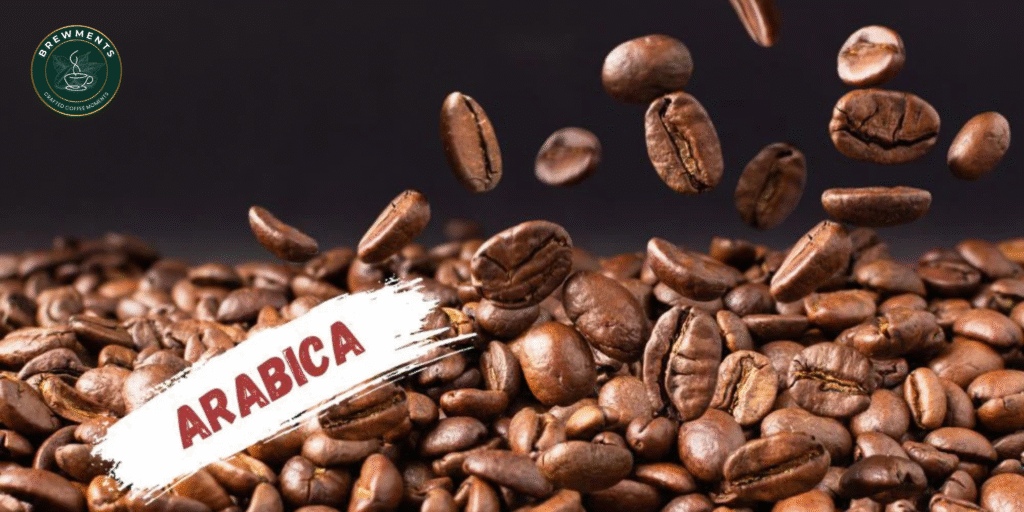
Let’s start with the basics. The coffee world is largely divided between two species: Arabica and Robusta. Most of what gets called “premium coffee beans” the kind specialty cafés and serious home brewers reach for is Arabica.
Arabica plants grow at higher altitudes, typically between 1,000 and 2,000 metres above sea level. The slower they grow, the more complexity they develop. That’s where the nuance comes from the fruit notes, the gentle sweetness, the clean finish that lingers without turning bitter. A well-sourced arabica coffee bean is genuinely something else.
Robusta coffee beans are a different story and not a lesser one, just different. They grow faster, at lower altitudes, and pack significantly more caffeine. The flavour is bolder, earthier, sometimes described as woody or nutty. In espresso blends and traditional filter brews, a measured amount of Robusta adds body and that signature crema you see on a good shot. At Brewments, our espresso-based drinks use carefully balanced blends of both Arabica brings the sweetness and complexity, Robusta brings the punch.
“The best cup of coffee you’ll ever have isn’t really about equipment or technique. It starts much earlier in the soil, on a hillside farm, in a harvest that happened at exactly the right moment.”
But for everyday brews where you want depth, smoothness, and a clean cup you can return to all morning Arabica is where you want to be.
India’s Coffee Regions Better Than You Think
Here’s something we genuinely believe at Brewments: India is underrated in the global coffee conversation. The best indian coffee beans come from growing regions that have been producing exceptional coffee for generations they just haven’t always had the right spotlight.
Each of these regions produces what we’d call genuinely premium coffee beans — not as a label slapped on a bag, but because of the real care that goes into growing, harvesting, and processing them. When we source beans, we look for farms and estates in these zones that take that care seriously. That’s the only way we can serve you something worth coming back for.
The Freshness Factor Why It Changes Everything
This is the part most people overlook. You could have the most beautifully grown Arabica from the hills of Chikmagalur, but if it was roasted three months ago and sat in a warehouse under fluorescent lights since then you’re mostly tasting time. And time is not kind to coffee.
Freshly roasted coffee beans release CO₂ for several days after roasting. That off-gassing is a sign of life in the bean. It’s also what creates the bloom you see when hot water hits fresh grounds that gorgeous puff of carbon dioxide rising up before extraction begins. If your grounds don’t bloom, your beans are telling you something.
At Brewments, our roasting philosophy is built around this. We roast in small batches, and the coffee you take home from our store in Mohali is never sitting around long enough to go stale. When you open the bag, you should smell it immediately that’s the whole point. That’s what freshly roasted coffee beans actually smell like when they haven’t been sitting around since last season.
Brewments tip
Always check for a roast date on your coffee bag not just a best-before date. The sweet spot for drinking most Arabica is 7 to 21 days after roasting. Buy whole beans and grind just before brewing. The difference it makes is not subtle.
South Indian Filter Coffee Our Heritage Cup
Before specialty coffee became a trend in Indian cities, there was filter coffee. And it’s still, for millions of people, the most emotionally loaded cup they’ll ever drink. The smell of it brewing in the morning. The clinking of the davara and tumbler. The ritual of pulling it tall between the two vessels to get the foam just right.
South Indian filter coffee is traditionally a blend of dark-roasted Arabica and Robusta, often with chicory blended in. The Robusta brings the body. The chicory deepens the colour and adds that characteristic slight bitterness that filter coffee fans love. Brewed slow and strong through a metal filter, then mixed with hot milk it’s one of India’s most satisfying culinary traditions.
At Brewments, we serve our south indian filter coffee brewed classically, the way it’s meant to be strong, aromatic, and at just ₹50, the most honest cup on our menu. It’s the one drink that reminds people of home, regardless of where they’re from. If you’ve never had it, come in. It’ll change something in you.
How to Choose the Right Arabica for How You Brew
Not all Arabica drinks the same way, and not all brewing methods suit the same profile. Here’s a simple way to think about it:
For pour-over and drip coffee
Go light to medium roast. You want a washed or natural-process Arabica from somewhere like Chikmagalur or Araku. The slower, more controlled extraction highlights brightness and fruit exactly what a good Arabica has to offer. Look for descriptions like “clean finish,” “floral,” or “stone fruit” on the packaging.
For espresso and moka pot
Medium-dark is your friend here. A Coorg or Wayanad Arabica with a small percentage of Robusta in the blend gives you the body, crema, and intensity that espresso demands, without turning harsh or astringent. This is essentially the profile we use for our espresso-based drinks at Brewments.
For cold brew
Medium roast, coarse grind, long steep 14 to 18 hours in cold water. Arabica’s natural sweetness blooms beautifully in cold brew. Araku Valley beans are particularly well-suited for this. The result is smooth, naturally sweet, and needs nothing added to it.
What to Look for When You Buy Coffee Beans
If you’re shopping for the best quality coffee in india whether online or walking into a store like ours here are the things that actually matter:
First: roast date. Not best-before. Roast date. Fresh beans have a roast date printed on them because the roaster is confident about what’s inside. If a bag only shows a best-before date, that’s a flag.
Second: origin transparency. Knowing where your coffee comes from isn’t snobbery it helps you understand the flavour. Coorg versus Chikmagalur versus Araku will taste genuinely different, and once you know what you’re looking for in each, buying becomes easier and more intentional.
Third: whole beans over pre-ground. We know pre-ground is convenient. But ground coffee starts losing aromatics within minutes of grinding. If you can invest in even a simple hand grinder, you’ll taste the difference immediately and so will anyone you brew for.
At Brewments, all our beans are available as whole beans or freshly ground to order. You can take them home from our Mohali store or order them online. We don’t believe in selling you coffee that’s been sitting around. That would defeat the entire point of what we’re trying to do here.
The Brewments Approach to Coffee
We didn’t open Brewments to be another cafe serving generic beverages in paper cups. We opened it because we genuinely love coffee the sourcing conversation, the roasting decisions, the way a single origin can taste completely different depending on how you brew it. And we wanted to share that with Mohali and the Tricity.
When you walk into our café in Phase 8B, we want you to feel like you landed somewhere that takes it seriously. Whether you’re ordering a classic espresso, a cold brew on a warm afternoon, or a south indian filter coffee that tastes like Sunday morning we want the cup to mean something. We work with the finest arabica coffee beans for smoothness and balance, and premium robusta coffee beans for the bold espresso-based drinks where intensity matters. Everything is roasted with intention and brewed with care.
And if you want to take that same quality home our bean store lets you do exactly that. Freshly roasted, properly sourced, honestly labelled.